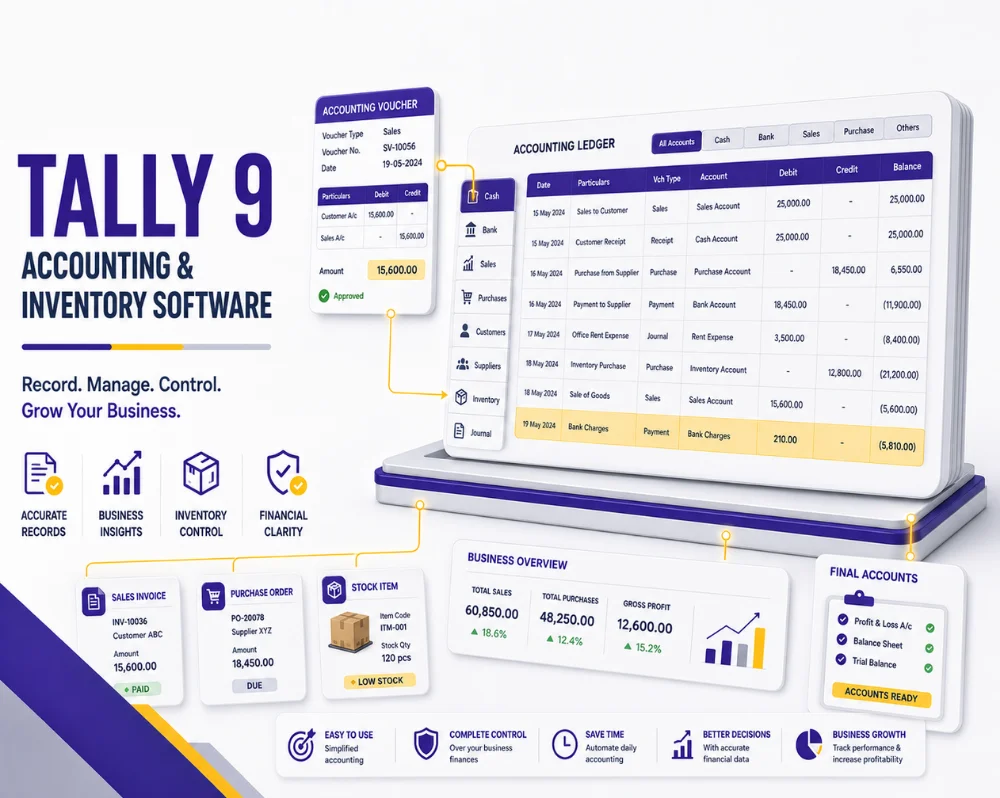
With QuickBooks, you can easily keep track of your financial data in one place. You can also generate financial reports that provide valuable insights into your business performance. This way, you can make informed decisions about your business and track your progress over time.
Key skills and concepts covered throughout this course.
4 outcomes
Small business owners are always looking for ways to streamline their financial management processes, and QuickBooks provides just the solution they need. QuickBooks is a top-rated accounting software that offers a range of features to help you manage invoicing, expenses, payroll, and taxes with ease.
One of the most significant advantages of using QuickBooks is the time it saves you. By automating many of the manual financial management processes, you can spend more time focusing on growing your business. You can also reduce the risk of human error, which can have a significant impact on your finances.
Another advantage of QuickBooks is its accessibility. You can access your financial data from anywhere, at any time, using any device with an internet connection. This means that you can manage your finances on the go and never miss a beat.
In conclusion, QuickBooks is an essential tool for any small business owner looking to streamline their financial management processes. With its range of features, ease of use, and time-saving benefits, QuickBooks provides the perfect solution for small business owners who want to stay organized and save time.
Course Contents
Basic Accounting
What is Accounting?
Why Business needs Professional Accountant
Fundamental concepts of Accounting
Chart of Accounts
Level of Accounts
Accounting Codes
Import / Export Data from Excel
QuickBooks
QuickBooks interface
Scope of QB
QuickBooks Utilities and
General Product Knowledge - Documents
Customer / Supplier Invoices/Bills
Goods Receipt Note
Estimates
Delivery Note
Bank Statement
Supplier Statement
Sales Order Processing
Purchase Order Processing
Reports
Supplier
Customer
Customization
Jobs
Financial Information
Quick Reports
Tax Reports
Stock Management
Bill of Materials
Inventory Record
Stock Valuation Reports
Financial Tools
Closing Periods
Accountant Center
Workflow of an Organization
Job Costing
Payroll
Payroll Items Creation
Processing Paychecks
Quick-Reports Payroll
Before you begin
Course requirements
Review the recommended knowledge and tools before joining.
No formal prerequisites are required. Beginners are welcome.